
Build a flexible daily enrichment routine with varied movement, sniffing, foraging, learning, play and rest, tailored to your dog’s age, health, mobility, preferences and responses, with safety and veterinary guidance in mind.
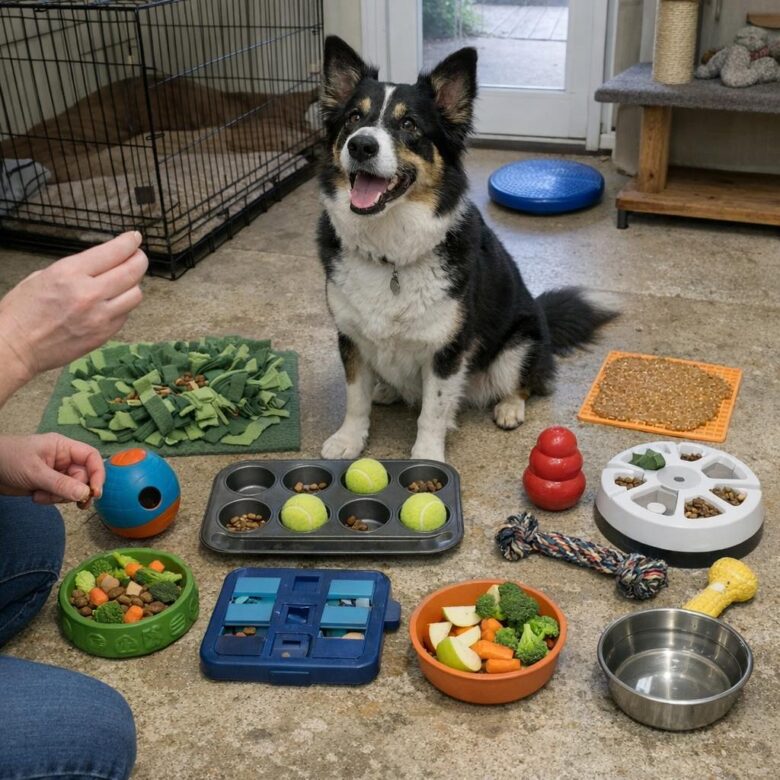
Build a flexible daily enrichment routine with varied movement, sniffing, foraging, learning, play and rest, tailored to your dog’s age, health, mobility, preferences and responses, with safety and veterinary guidance in mind.
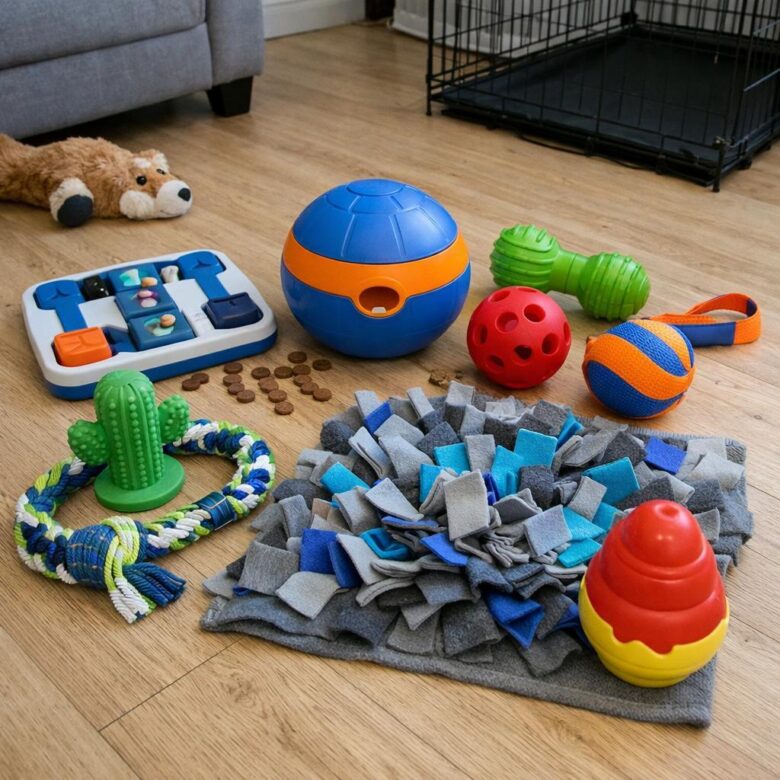
Learn how to choose dog toys by purpose, size, chewing style, difficulty, and safety, with guidance on food puzzles, active play, supervision, multi-dog homes, calorie planning, damage checks, and when to retire toys.
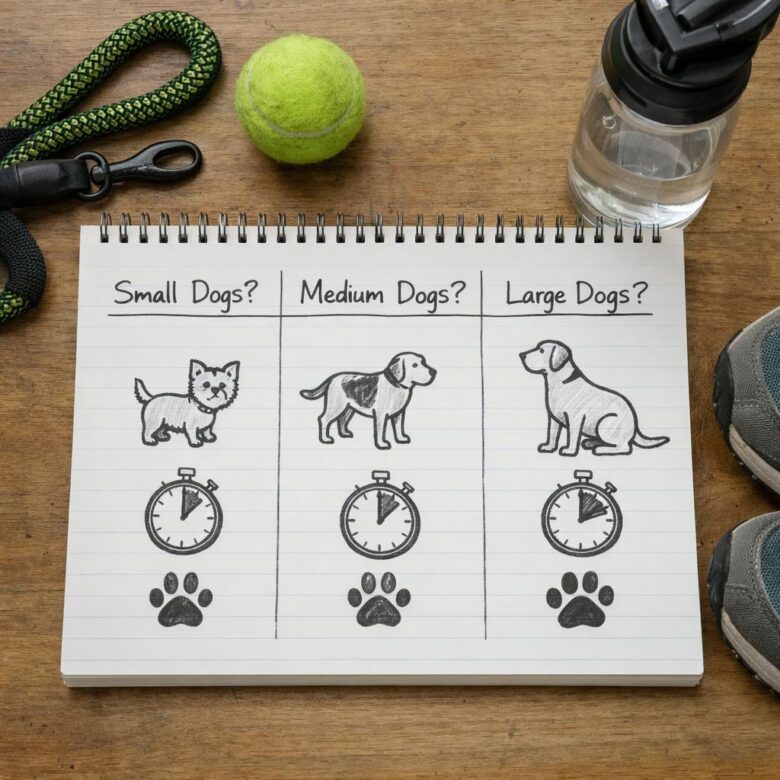
Learn how to tailor your dog’s exercise by life stage, body condition, anatomy, health, activity type, weather, and recovery, with practical signs for adjusting intensity and seeking veterinary guidance.
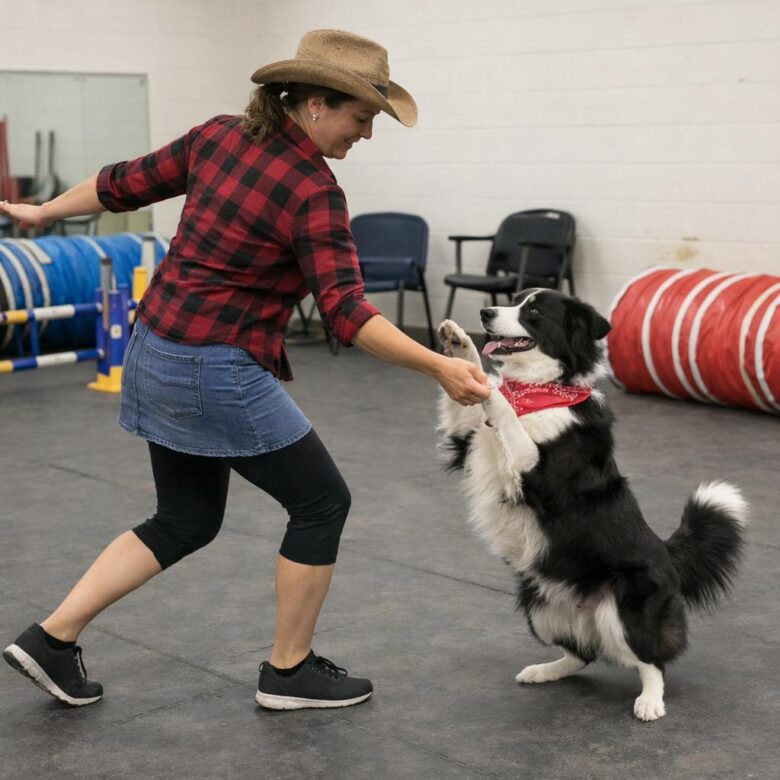
A beginner’s guide to canine freestyle, covering movement inventories, simple sequencing, smooth transitions, suitable music, reward-based practice, troubleshooting, and safety adaptations based on each dog’s comfort, abilities, age, and health.
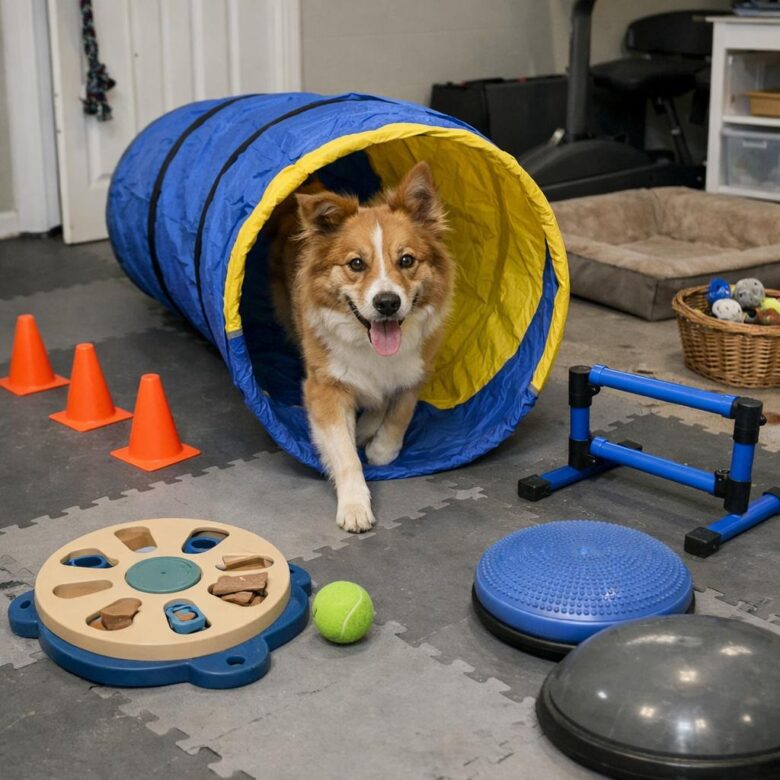
Explore adaptable indoor dog activities for small spaces, with guidance on traction, controlled movement, low obstacles, enrichment, intensity, and modifications based on each dog’s age, mobility, health, and response.
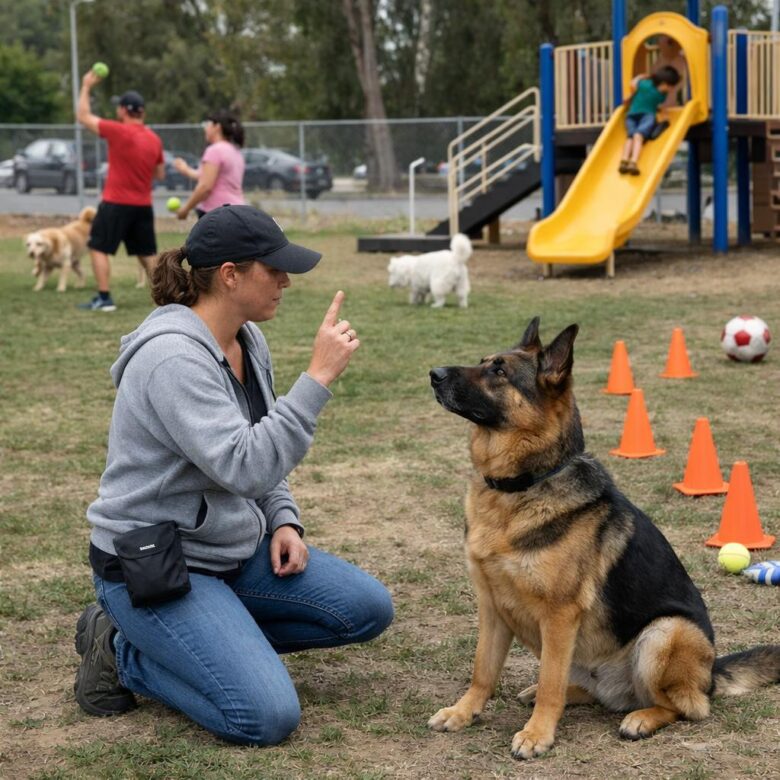
A practical guide to building reliable dog responses by establishing easy baselines, controlling distraction intensity, distance, and task difficulty, choosing meaningful rewards, generalizing cues gradually, protecting recall safety, and seeking professional help when needed.
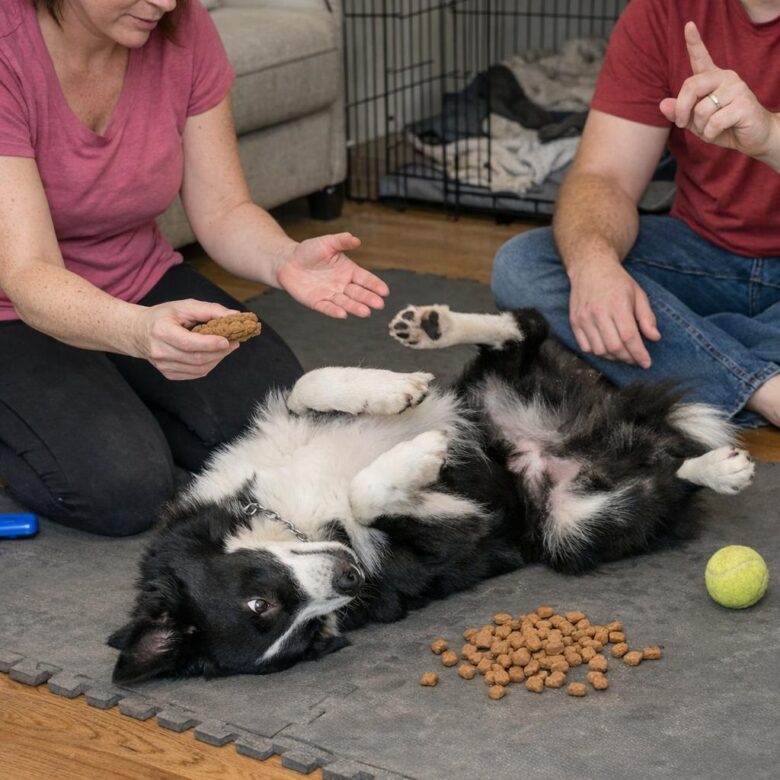
Learn how to troubleshoot common dog trick training mistakes involving cues, lures, marker timing, rewards, criteria, repetition, frustration, and physical suitability using clear, reward-based steps tailored to the individual dog.
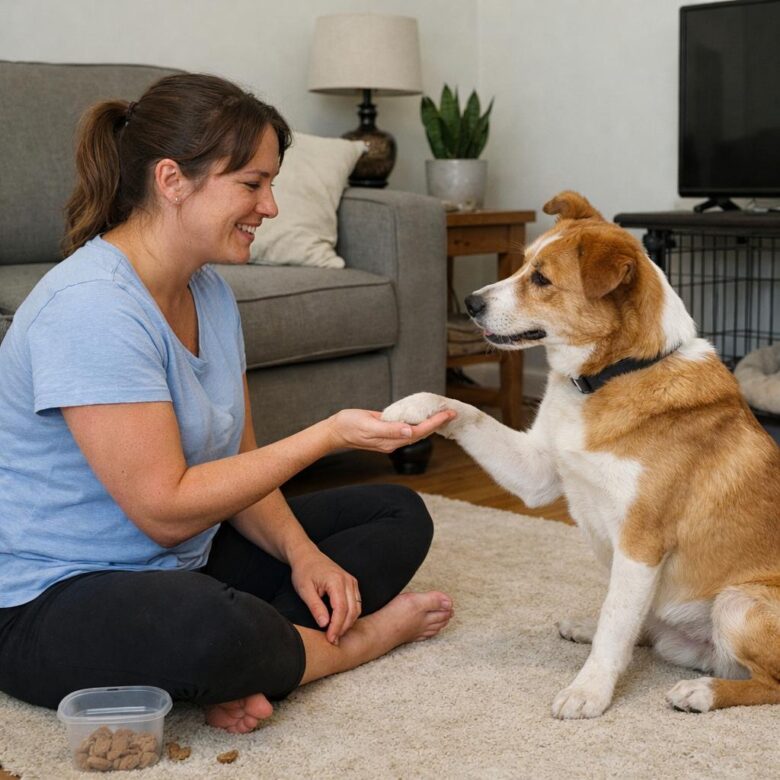
Learn four reward-based methods through easy home tricks: teach a nose touch, paws-up pose, mat behavior, and captured head-down position while adapting sessions to your dog’s comfort, diet, and engagement.
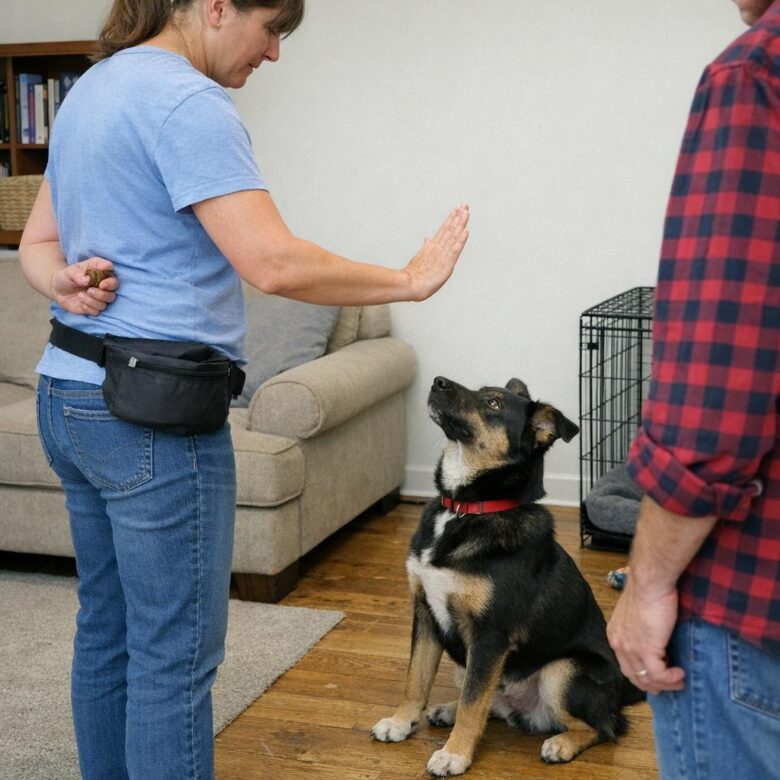
Teach calmer dog greetings by choosing an alternative to jumping, managing arrivals, rewarding paws-down behavior early, and coaching visitors consistently. Adjust practice for excitement, anxiety, safety risks, and each dog’s comfort.
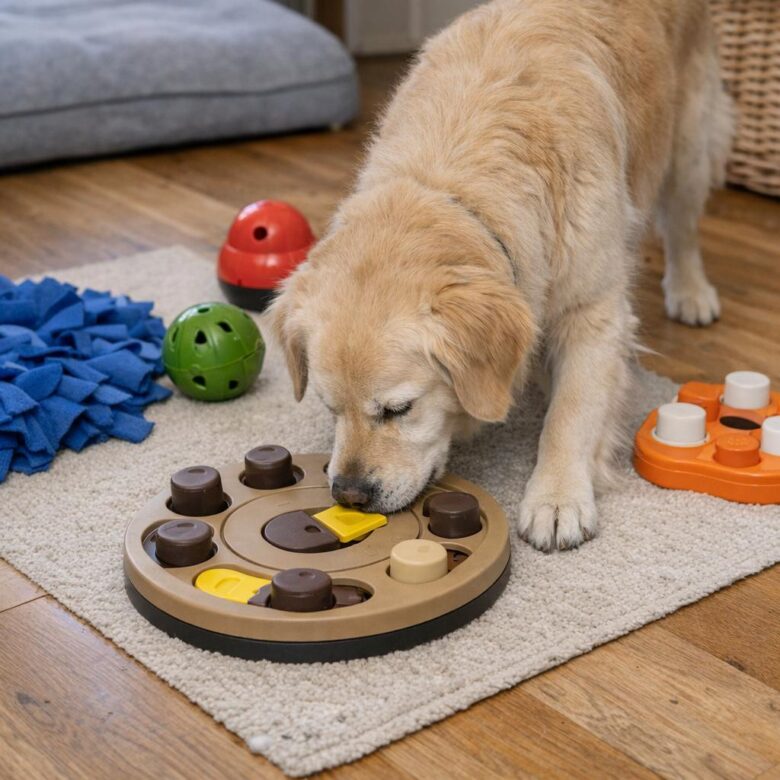
This guide explains six simple at-home brain games for dogs, how to adjust difficulty gradually, recognize frustration, manage food rewards, check DIY materials, and adapt activities for individual safety, ability, and interest.