
Learn reward-based steps for teaching a controlled spin, stationary leg weave, bow, and distinct hand signals, including lure fading, cue consistency, troubleshooting, and adjustments for each dog’s space, mobility, comfort, and coordination.
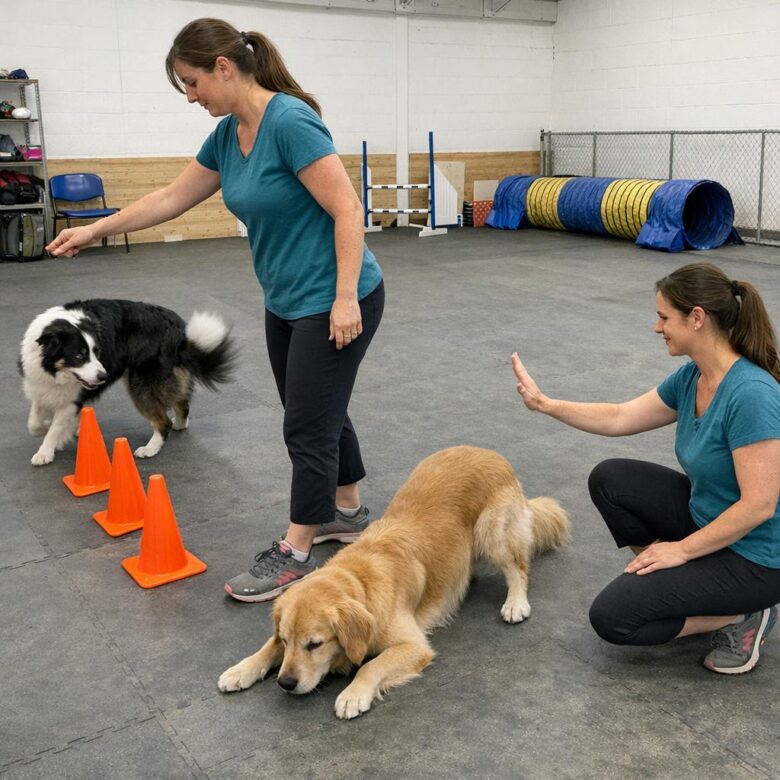
Learn reward-based steps for teaching a controlled spin, stationary leg weave, bow, and distinct hand signals, including lure fading, cue consistency, troubleshooting, and adjustments for each dog’s space, mobility, comfort, and coordination.
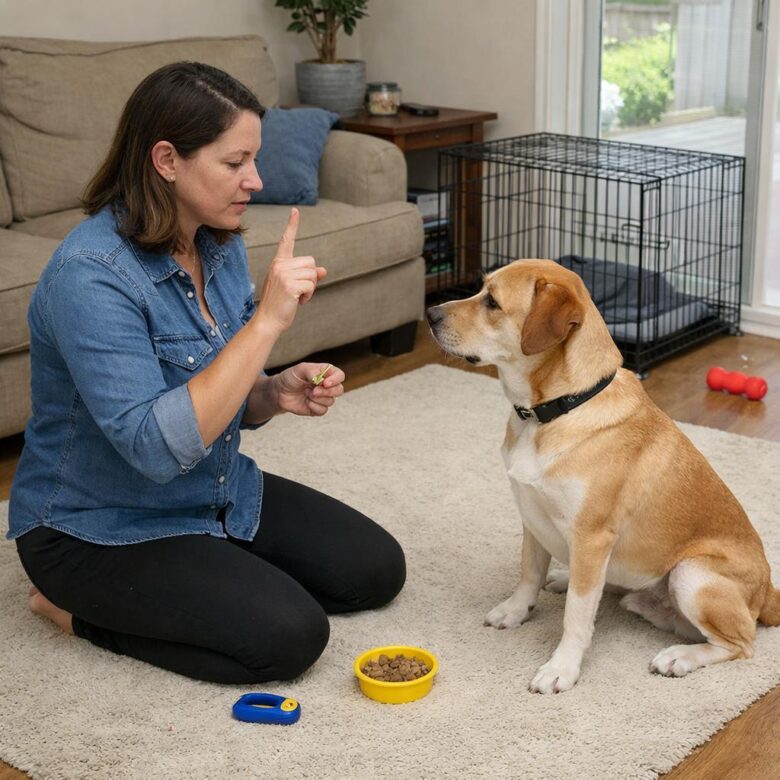
This practical beginner framework explains how to define observable behaviors, use markers and meaningful rewards, add cues gradually, manage the environment, generalize skills across contexts, and seek professional guidance for serious or sudden concerns.
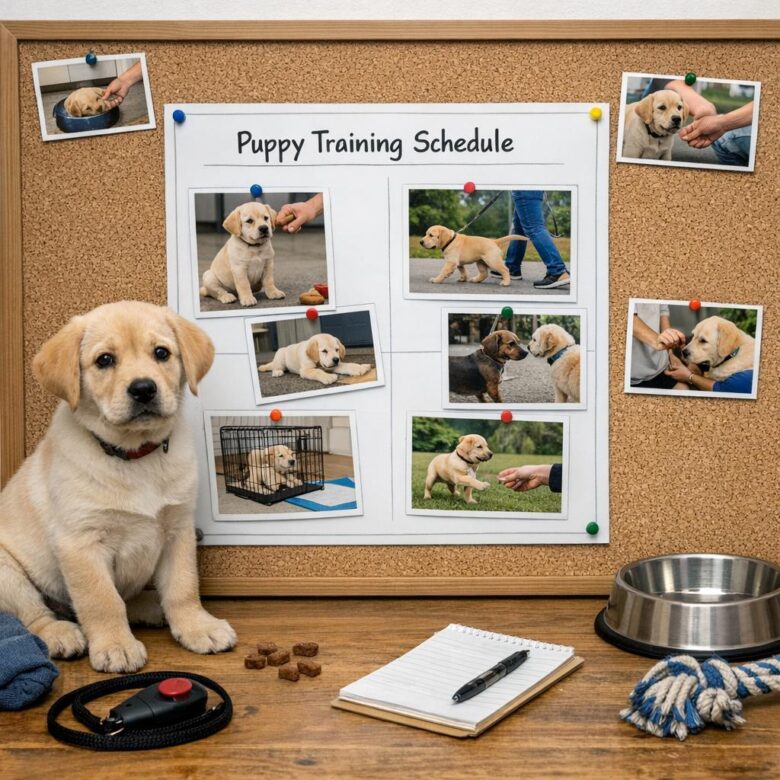
A flexible first-year puppy roadmap covering socialization, house training, confinement, independence, handling, mouthing, rest, and adolescence, with reward-based guidance that adapts priorities and progress to each puppy’s development, health, comfort, and environment.
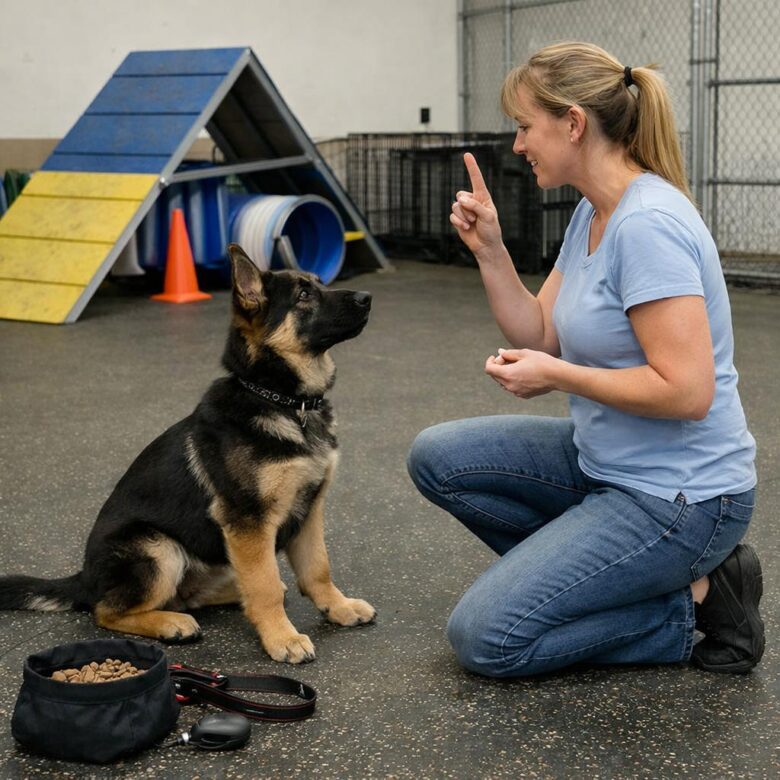
Learn how to prioritize and teach six practical dog cues: name response, recall, leave it, drop it, wait, and go to place, using rewards, gradual progression, and appropriate safety management.
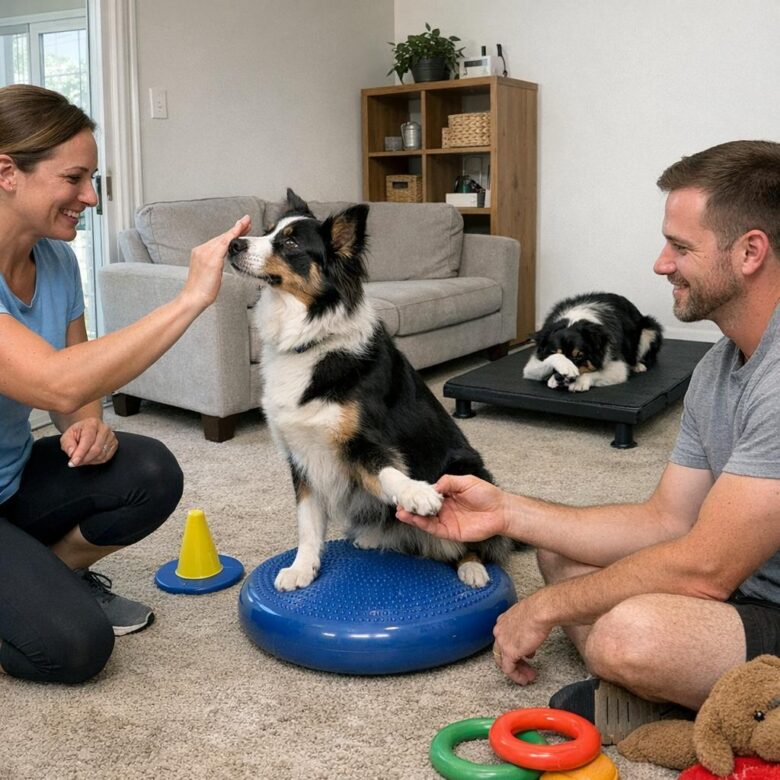
Explore five reward-based dog trick projects—chin rest, tunnel, toy tidy-up, ball rolling, and target choice—while matching training to each dog’s comfort, preferences, and useful skill goals.