The first year shapes a puppy’s behavior for life. What you teach, when you teach it, and how consistently you practice determines whether you raise a confident, well-mannered dog or one that struggles with basic expectations. Puppies are learning machines. Use that window wisely.
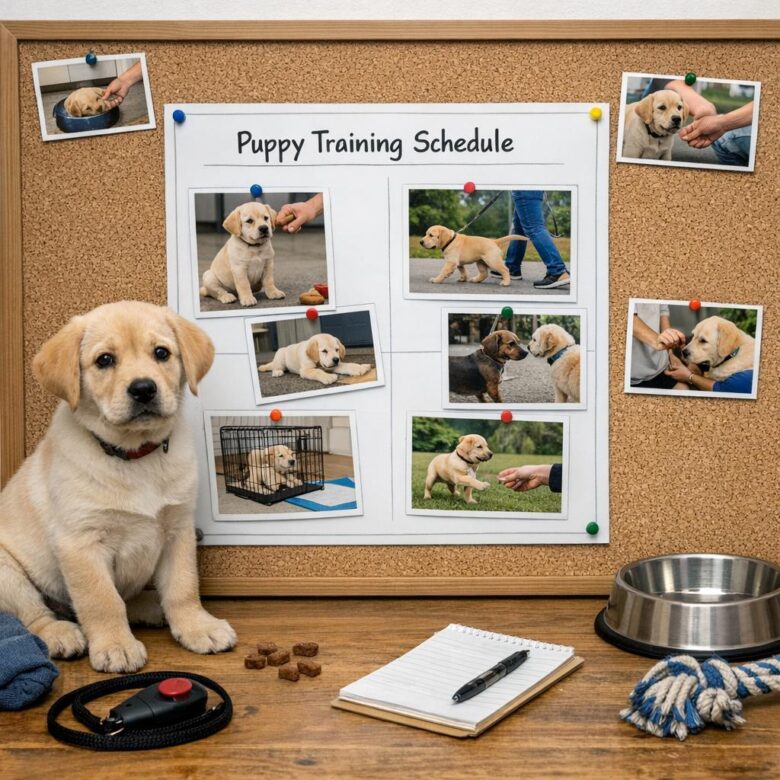
This schedule breaks training into developmental stages. Adjust pace to your puppy’s individual maturity. Some eight-week-olds focus for five minutes. Others wander after thirty seconds. Both are normal. The goal is progress, not speed.
8 to 12 Weeks: Foundation and Socialization
Focus on name recognition, hand targeting, and gentle handling. Teach the puppy that human hands deliver good things. Pair touches to paws, ears, and mouth with treats. This prevents future struggles with nail trims, ear cleaning, and veterinary exams.
Introduce the crate as a safe space, not a punishment. Feed meals inside. Toss treats in randomly. Let the puppy enter and exit freely. By twelve weeks, the puppy should rest calmly in the crate for short periods without distress.
Socialization happens now, not later. Expose the puppy to different surfaces, sounds, people, and gentle dogs. Avoid overwhelming. One positive encounter with a friendly stranger beats ten forced interactions that create fear. Keep sessions short and always end on a positive note.
12 to 16 Weeks: Basic Cues and House Training
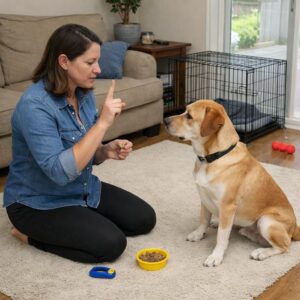
Introduce sit, down, and come. Use lures and high-value rewards. Puppies at this age have short attention spans. Train for two to three minutes, three to four times daily. End before the puppy loses interest. A puppy that quits frustrated learns that training is unpleasant.
House training solidifies now. Take the puppy out after waking, after eating, after play, and every two hours in between. Reward elimination outside immediately. Accidents happen. Clean thoroughly with enzymatic cleaner. Never punish. Punishment teaches the puppy to hide accidents, not to hold them.
16 to 20 Weeks: Leash Manners and Impulse Control
Leash pulling starts now if it has not already. Teach loose-leash walking in low-distraction areas first. Reward the puppy for staying near your leg. Stop moving if the leash tightens. Resume when the leash slackens. This takes patience. Most puppies need weeks of consistent practice before walks become pleasant.
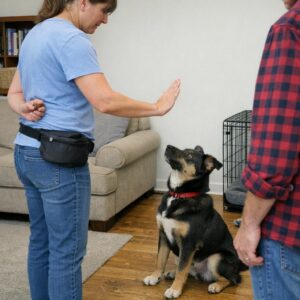
Add leave it and wait. These impulse-control exercises prevent future problems with counter surfing, door bolting, and resource guarding. Place a treat on the floor, cover it with your hand, and reward the puppy for ignoring it. Gradually increase difficulty by uncovering the treat or adding distance.
20 to 24 Weeks: Distraction Proofing and Social Maturity
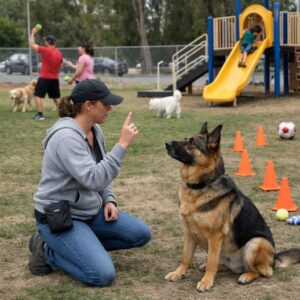
Practice known cues in new locations. A puppy that sits reliably in the kitchen may not sit at the park. This is normal. Generalization requires deliberate practice. Start with quiet outdoor spaces, then busier areas. Reward generously for success in harder environments.
Socialization shifts to maintenance. Continue positive exposures but respect the puppy’s changing comfort level. Some puppies become more cautious around this age. Forcing interactions damages trust. Let the puppy approach at their own pace.
6 to 9 Months: Adolescence and Consistency
Adolescent dogs test boundaries. Behaviors that seemed trained may regress. This is not failure. It is developmental. Stay consistent. Revisit basics if needed. Increase exercise and mental stimulation to match growing energy levels.
Introduce more complex behaviors. Stay with duration and distance. Place and settle on a mat. Polite greetings without jumping. Continue socialization with well-mannered adult dogs. Avoid dog parks until manners are solid. One bad experience with a rude adult dog can create lasting reactivity.
9 to 12 Months: Refinement and Real-World Skills
Polish existing behaviors for daily life. Reliable recall in fenced areas. Calm behavior around guests. Waiting at doorways and car exits. These practical skills matter more than advanced tricks for most owners.
Consider a training class or sport if the puppy enjoys learning. Agility, nose work, or trick training channels energy into productive outlets. A tired brain prevents the destructive behaviors that adolescent dogs often develop.
For a structured approach to teaching the core commands that support this entire schedule, our guide on best dog training commands every owner should teach first provides detailed breakdowns of sit, stay, come, leave it, and settle with troubleshooting for common puppy challenges.
The first year is a marathon, not a sprint. Puppies that receive patient, consistent training become dogs that handle the world with confidence. Puppies that are rushed, punished, or left to figure things alone often develop anxiety, reactivity, or learned helplessness. Invest the time now. The results last a lifetime.
The Dogs Dance Editorial Team publishes practical, beginner-friendly guides about dog training, mental stimulation, canine enrichment, tricks, and responsible routines at home. Our content is prepared for general educational purposes, with a focus on clear explanations, realistic expectations, and humane approaches to everyday dog care. The information does not replace veterinary diagnosis, treatment, or individualized guidance from a qualified animal behavior professional.