A dog that sits perfectly in the kitchen ignores the same cue at the park. This is not disobedience. It is a training gap called proofing. Dogs do not generalize well. They learn cues in specific contexts and need deliberate practice to apply those cues in new environments.
Milo went through this. He knew “stay” in our living room. Outside, squirrels erased his memory. The solution was not repetition in the same spot. It was gradual exposure to distractions at a level he could handle.
Start in a Controlled Environment
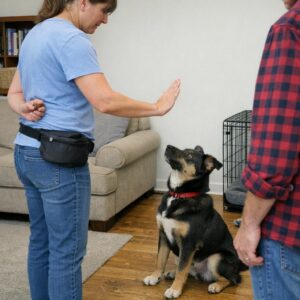
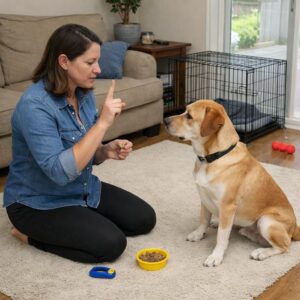
Begin indoors with minimal distractions. Practice basic cues in one room, then move to another room, then the hallway. Each new location adds slight environmental change. Reward generously for correct responses in new spaces. This builds confidence before you ever open the front door.
Use high-value treats during these early stages. Dry kibble works at home. Outside, you compete with smells, sounds, and movement. Upgrade to chicken, cheese, or freeze-dried liver when distractions increase.
Introduce Distractions Gradually
Create controlled distractions indoors first. Have a family member walk past while you practice “sit.” Turn on a television or play recordings of outdoor sounds. Drop a toy nearby. If your dog responds correctly, reward immediately. If they break focus, reduce the distraction intensity and try again.
The goal is success at each level before increasing difficulty. A dog that fails repeatedly learns that ignoring you is easier than trying. Keep the win rate high.
Move to Low-Distraction Outdoor Spaces
Start outside in quiet areas. A fenced backyard, an empty parking lot early in the morning, or a quiet corner of a park. Practice the same cues that worked indoors. Expect lower performance initially. Reward effort, not perfection. A dog that looks at you instead of chasing a leaf is making progress, even if they did not sit.
Keep sessions short. Five minutes of focused practice outside beats twenty minutes of frustration. End while your dog is still engaged. This creates positive associations with outdoor training.
Build Distance and Duration
Once your dog responds reliably in low-distraction areas, add distance. Take one step back after giving the cue. Then two steps. Then five. Increase duration gradually. A five-second stay becomes ten, then twenty, then sixty. Change only one variable at a time. Adding distance and duration simultaneously overwhelms most dogs.
Generalize to Real-World Distractions
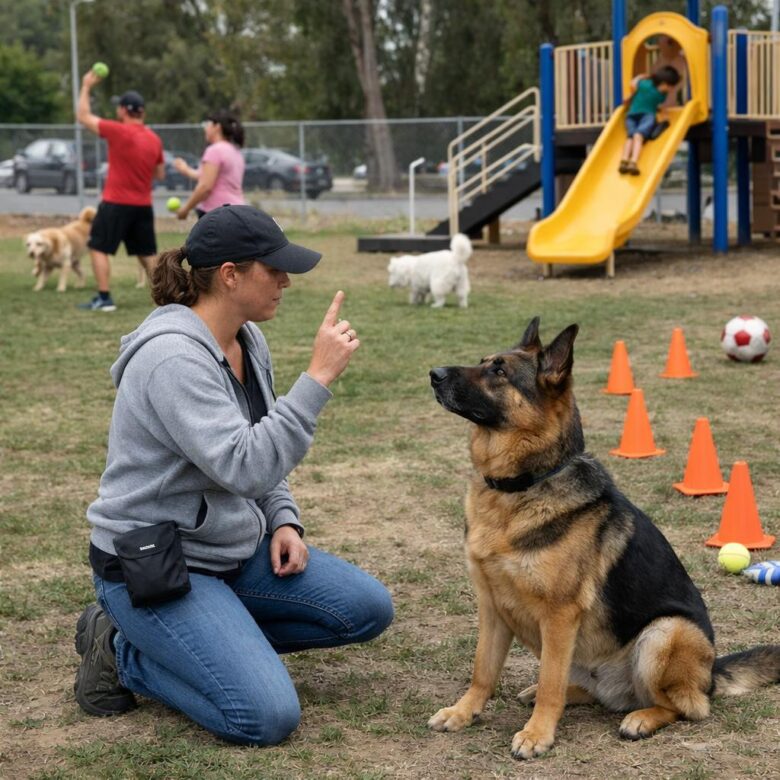
Progress to busier environments slowly. A sidewalk with occasional pedestrians. A park with distant dogs. A pet store entrance. At each stage, lower your expectations and raise your reward rate. A dog that sits reliably at home may need dozens of repetitions before sitting reliably near a playground.
Use management tools when needed. A leash prevents bolting. A treat pouch keeps rewards accessible. Distance from triggers keeps the dog under threshold. Training around distractions is not about willpower. It is about setting conditions where success is possible.
Common Mistakes
Repeating cues louder does not help. If your dog ignored “sit” once, saying it three times teaches them to wait for the third repetition. Say the cue once, wait three seconds, then guide with a hand signal if needed. Another mistake is moving too fast. Owners often jump from backyard to busy street in one session. That gap is too large for most dogs to bridge.
Finally, avoid punishing mistakes. A dog that is corrected for breaking a stay learns that staying is scary, not that staying is rewarding. Reset calmly, reduce difficulty, and reward the next correct response.
For days when outdoor training is not possible, our guide on best indoor activities for dogs that need more exercise includes structured training games that maintain and build focus without leaving the house.
Listening around distractions is a skill, not a personality trait. Every dog can improve with structured practice. Start small, increase challenges gradually, and reward generously. The dog that ignores you at the park today can become the dog that checks in with you voluntarily tomorrow.
The Dogs Dance Editorial Team publishes practical, beginner-friendly guides about dog training, mental stimulation, canine enrichment, tricks, and responsible routines at home. Our content is prepared for general educational purposes, with a focus on clear explanations, realistic expectations, and humane approaches to everyday dog care. The information does not replace veterinary diagnosis, treatment, or individualized guidance from a qualified animal behavior professional.